APEX RACEWIRE Newsroom
F1 2026: The Relentless Battle for Tenths Under a Strict Budget
The 2026 Formula 1 title fight hinges entirely on the upgrade war—a complex game of chess where budgets and technical choices make the difference, and every tenth counts.
By Patrick Koster - 2026-07-15T08:07:40.000Z - 2 min read
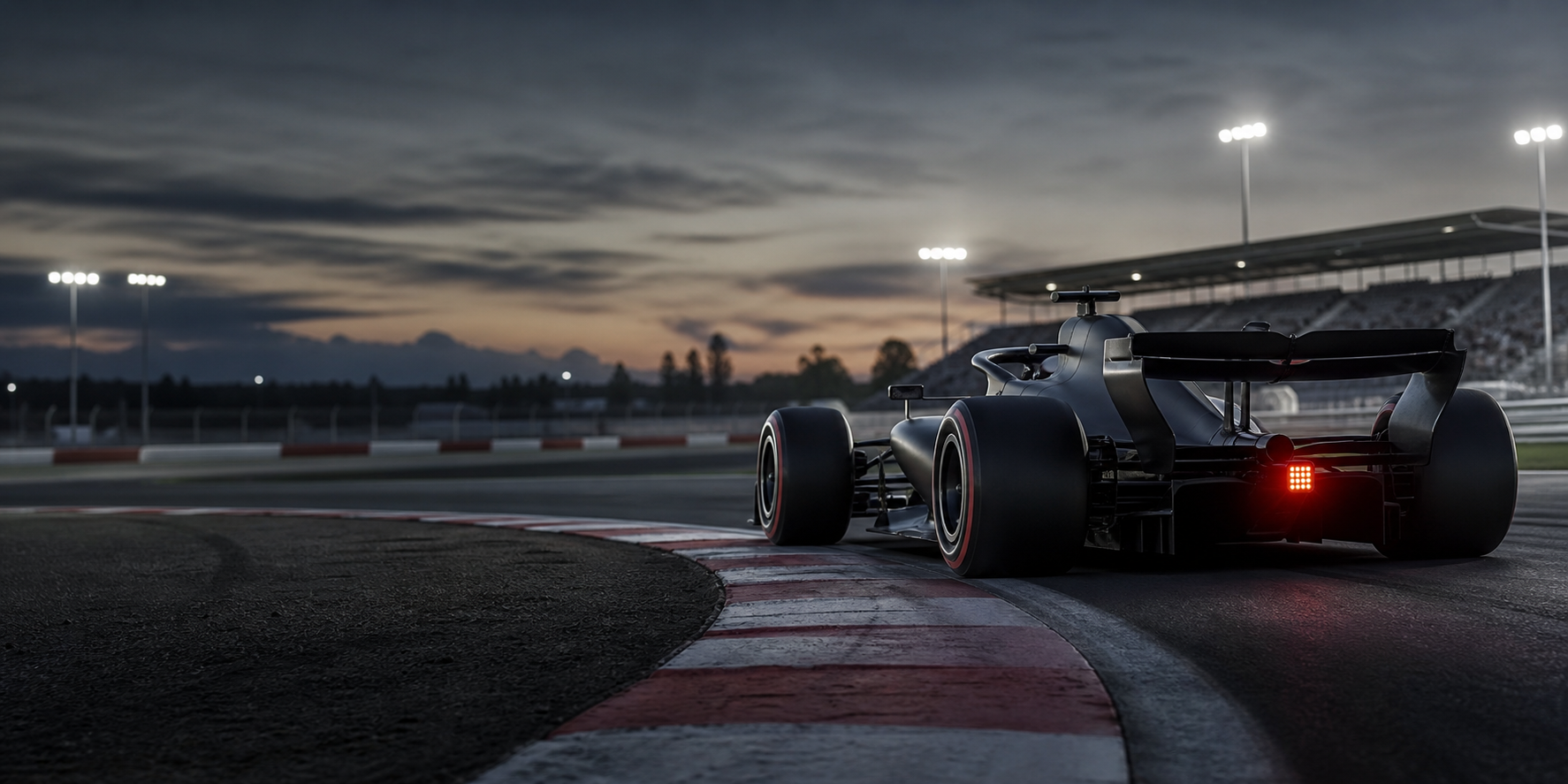
The current Formula 1 season is a ruthless battleground where, according to top teams, the title fight will be decided in the upgrade war. What makes this development race so extraordinary are the unprecedented performance jumps; new parts frequently yield two to three tenths at a time, a stark contrast to the hundredths of previous regulations.
Under the strict $215 million cost cap, every dollar spent is carefully weighed. Teams must establish a detailed development plan for the entire season, making strategic choices: upgrading early and aggressively as Ferrari does, or waiting for a more comprehensive 'B-spec' package, an approach followed by Aston Martin and Williams this year. This budgetary constraint forces ultimate efficiency, demanding that every dollar yield maximum lap time.
The intensity of this struggle leads not only to strategic dilemmas, but also to paddock friction. Ferrari's Fred Vasseur responded fiercely to Toto Wolff's (Mercedes) suggestion that his team was 'limitless' in upgrades, which Vasseur interpreted as a jab regarding the cost cap. Ferrari defends its approach as a deliberate strategy to maximize the benefits of new parts for as long as possible, while the FIA's classification of upgrades can distort the perceived scale of modifications.
Modern Formula 1 relies more heavily than ever on simulation, with Computational Fluid Dynamics (CFD) sometimes proving even more accurate than wind tunnels, though new wind tunnels remain in high demand. Crucial is 'correlation': do simulation results match real-world data? An upgrade that underperforms on track demands urgent analysis to rectify the process. Teams must choose between a series of small, incremental updates—which are less cost-effective and carry a risk of 'drift'—or taking one large, significant step.
However, the pre-season plan is merely a starting point; flexibility is essential. Unexpected events, such as cancelled races or revolutionary designs from competitors, can upend the entire development strategy. Furthermore, cornering speeds in 2026 directly affect energy recovery on the following straight, adding another layer of complexity to the pursuit of downforce. If a car suffers from fundamental flaws, the priority shifts from upgrading to solving them—because as one engineer noted: "until you fix it, the rest is irrelevant."