APEX RACEWIRE Newsroom
Verstappen Hits Back as Rivals Mirror His 2026 Rule Concerns
Max Verstappen feels vindicated as fellow drivers align with his long-standing criticism of Formula 1's 2026 regulations, though he remains weary of repeating the same warnings.
By Sanne Vermeer - 2026-08-02T13:02:00.000Z - 2 min read
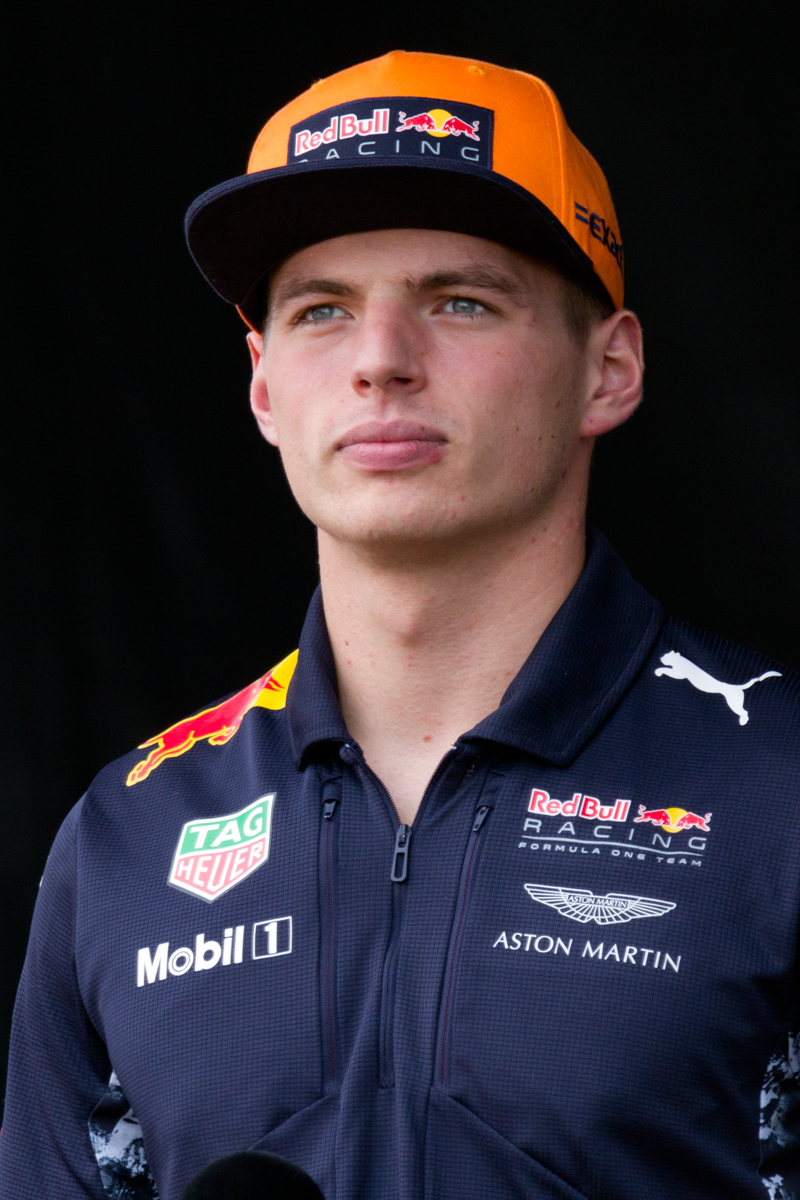
Early warnings regarding Formula 1's 2026 technical framework were once dismissed as isolated frustration, but paddock sentiment has now shifted dramatically. Max Verstappen has hit back at rival drivers who originally rejected his sharp criticisms of the upcoming power unit and energy management regulations, only to adopt those exact arguments after encountering identical issues on track. The Dutch driver noted that those who previously told him to adapt are now voicing the very same concerns.
When the 2026 engine and aerodynamic guidelines were first introduced, Verstappen voiced immediate skepticism over the heavy reliance on electrical deployment and potential power deficits on full-throttle circuits. At the time, prominent competitors including Lewis Hamilton and George Russell publicly countered his assessment, suggesting the revamped formula would generate closer and more entertaining racing for fans. Their initial enthusiasm helped frame Verstappen as an outlier resisting inevitable progress.
That initial defense of the regulations has since fractured across the pit lane. As teams gather operational data and experience the physical realities of the hybrid power units, former advocates of the rulebook have voiced mounting frustration over severe battery depletion during racing laps. Drivers are finding themselves forced into drastic lift-and-coast measures simply to keep their hybrid systems charged.
Addressing the sudden alignment among his peers, Verstappen clarified that his early opposition was never motivated by short-term competitive frustration or current championship positions. The Red Bull driver insisted his comments stemmed entirely from genuine concern over overall racing quality, arguing that drivers should not be forced into constant energy conservation cycles while competing at the pinnacle of motorsport.
Verstappen also admitted to feeling weary of the ongoing debate after spending months fielding suggestions that he should stop complaining or even consider leaving the sport. Having endured widespread pushback for raising red flags early in the regulatory process, he finds little comfort in watching the rest of the grid gradually reach the same conclusions he outlined months ago.
Safety considerations surrounding energy harvesting have further amplified paddock tension across several race weekends. Multiple drivers are now pointing to the hazards of rapid speed differentials when cars harvest battery energy on straightaways, directly confirming the operational risks Verstappen previously highlighted before other teams recognized the problem.
The broader grid's turn against key elements of the 2026 package has transformed what was once viewed as a single driver's grievance into a collective regulatory headache for Formula 1 leadership. For Verstappen, the episode underscores how initial skepticism from competitors often evaporates once real-world performance replaces administrative optimism.