APEX RACEWIRE Newsroom
The Dark Side of Silverstone: Problems Pile Up
A record crowd at Silverstone witnessed more than just racing drama; the British Grand Prix exposed deep technical flaws, strategic headaches, and driver frustration across several Formula 1 teams.
By Sanne Vermeer - 2026-07-06T14:49:42.000Z - 3 min read
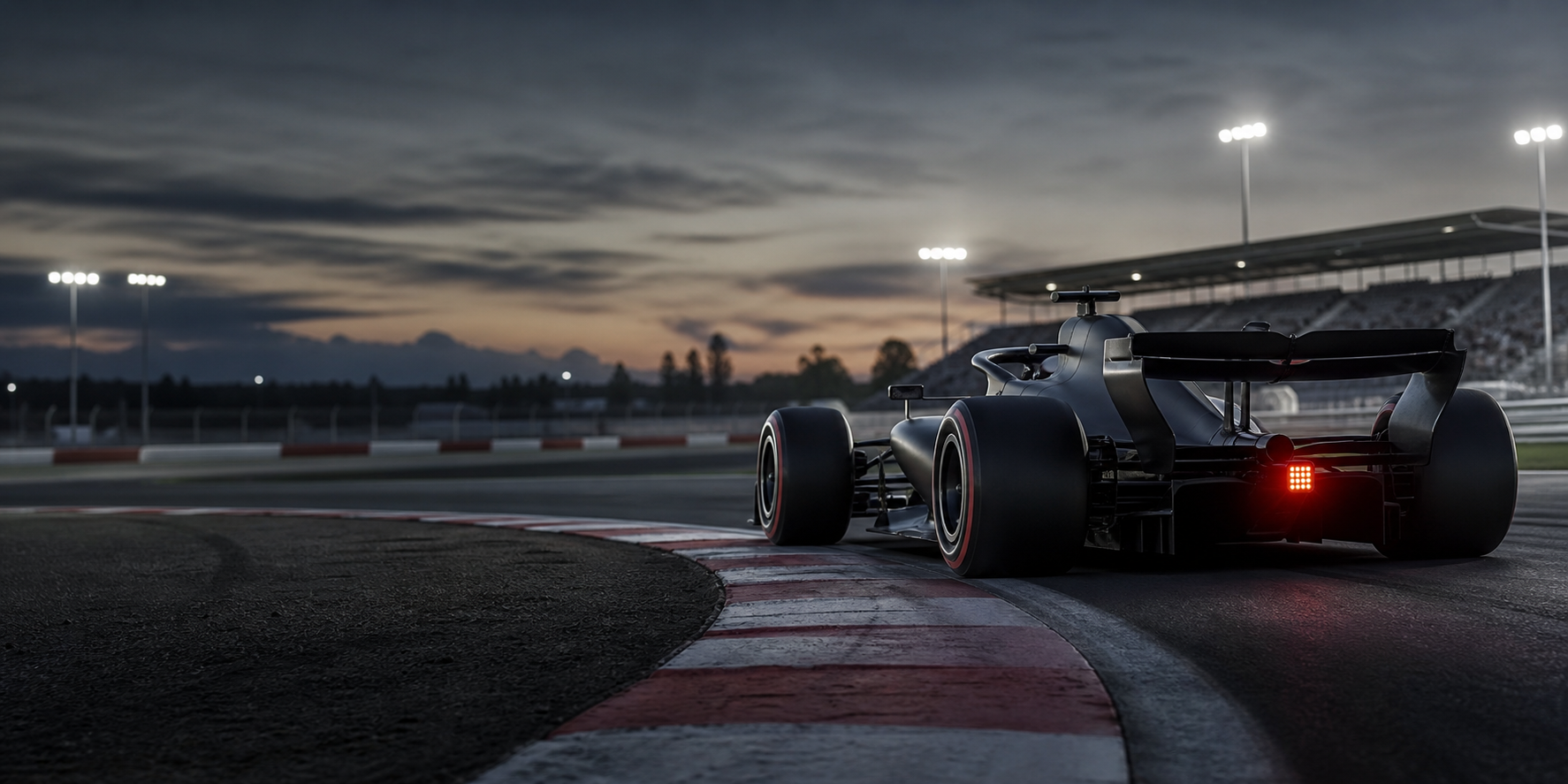
A record crowd of 564,000 fans filled the grandstands at Silverstone this year, ready for a weekend of Formula 1 spectacle. Behind the scenes and on track, however, a far more complex narrative unfolded, where joy and deep frustration went hand in hand. From drivers battling unmanageable cars to teams struggling with development and even questioning the core purpose of their existence, the British Grand Prix offered an unvarnished look at the challenges plaguing the sport in 2026.
At Red Bull, the mood post-race was rock bottom, with Max Verstappen holding nothing back regarding his fury. Calling the ongoing rear wing issues that caused high-speed scares twice in Austria and Silverstone 'life-threatening', Verstappen made his position clear. Team principal Laurent Mekies acknowledged Verstappen's discontent and promised a thorough analysis of the 'Macarena' wing, which may even be sidelined for Spa. As if that were not enough, Verstappen struggled with a poorly set-up car, and Red Bull rejected his request for a pit-lane start following drastic setup changes, only adding to his frustration.
Concerns were present at the sharp end of the grid as well, with Mercedes suffering from yet more reliability issues. Kimi Antonelli's promising race ended due to an unusual problem with a wheel shield, bringing Mercedes' tally of lost points due to technical failures to a worrying 68. Team principal Toto Wolff labeled reliability the 'primary issue', a vulnerability unnecessarily shrinking the team's substantial championship lead. Dissatisfaction also brewed at McLaren, where Lando Norris described the MCL40 as 'undriveable' and 'one of the hardest cars' he has ever driven, while team principal Andrea Stella admitted McLaren is lagging in the development race and will only introduce substantial upgrades in Hungary.
The anxiety extended further down the grid. Williams experienced a 'bad trend' in development, with track updates failing to match simulator results—a 'serious issue' according to Carlos Sainz. Aston Martin wrestled with an 'aerodynamically broken' AMR26, which led Lance Stroll to exceed track limits six times and incur three time penalties. Meanwhile at Alpine, once the 'best of the rest', 'damage limitation' prevailed as Racing Bulls rapidly catch up. Holding a margin of just one point in the constructors' championship and with questions surrounding the project's viability post-engine switch, Alpine faces a pivotal period.
Beyond individual team struggles, Silverstone cast a shadow over the dynamics of the 2026 Formula 1 season. The 'yo-yo racing' with its frustrating overtaking dynamics—where cornering drama is negated by an easy DRS pass on the straight—drew complaints from drivers like Ollie Bearman. At the same time, a 'luxury problem' looms for Red Bull: junior driver Nikola Tsolov is dominating Formula 2 with six victories this season, including three consecutive wins. His rapid rise puts pressure on the team's Formula 1 lineup, given that winning the championship title could render him ineligible to return to F2 in 2027.
Yet there was a silver lining amid the adversity. Ending a 624-day win drought, Charles Leclerc demonstrated mental resilience by taking victory at the British Grand Prix. He spoke openly about the 'negativity' and 'narratives' constructed around him and revealed he opted for a 'digital detox'. By shutting out the noise and focusing on what truly mattered, Leclerc proved he had not turned into a 'bad driver overnight', but rather that it was a matter of regaining the right feel with the car.