APEX RACEWIRE Newsroom
The Core of F1 Strategy: Inside the Five Slick Compounds
The Formula 1 grid relies on a complex tire compound system, where every selection can determine race performance and final outcomes.
By Patrick Koster - 2026-02-28T07:23:26.000Z - 2 min read
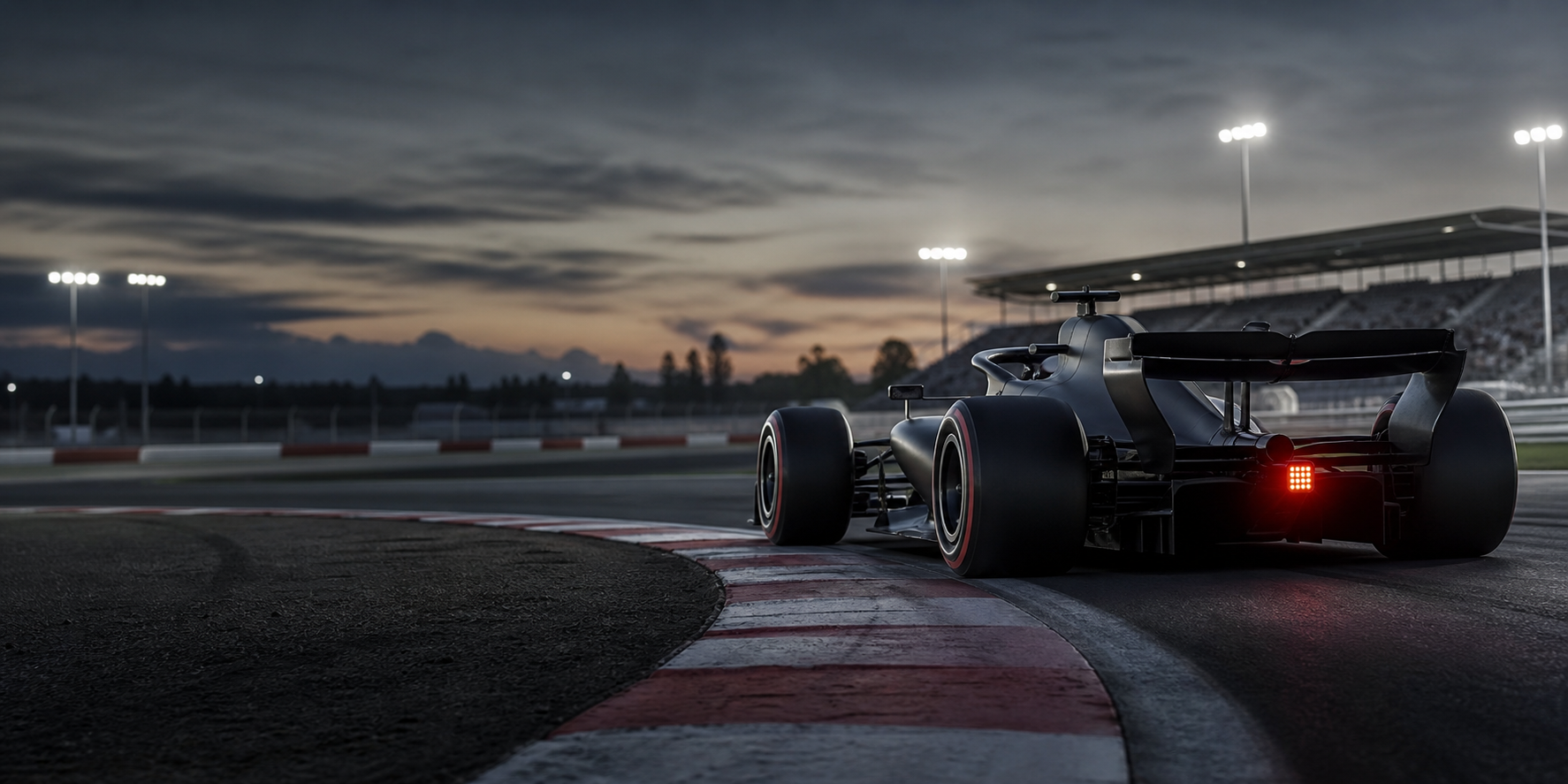
In Formula 1, slick tires form the crucial connection between car and asphalt. These smooth, treadless tires come in five distinct compounds, ranging from the hardest C1 to the softest C5.
For every race weekend, tire supplier Pirelli selects three of these compounds, a decision heavily influenced by circuit characteristics and potential strategic considerations.
This selection means that a compound's designation is variable; for instance, a C3 tire might be the softest option at one circuit, while serving as the medium or even hard compound at another location. To assist drivers and teams, the chosen compounds are clearly identifiable by color: red for the softest, yellow for the medium variant, and white for the hardest tire.
The red soft tires deliver the most grip and thus the potential for faster lap times, but they also degrade quickest and lose peak performance relatively early. The white hard tires, by contrast, last longer and resist wear better, though this comes at the expense of peak grip and top speed.
Drivers frequently use soft compounds during qualifying to extract maximum speed from their cars, or for short, aggressive race stints. For longer runs and durability over a race distance, medium and hard tires are the preferred choices, offering teams strategic flexibility.