APEX RACEWIRE Newsroom
The 2026 Engine Battle: Mercedes' Lead Tests Red Bull
With Formula 1's 2026 engine regulations in sight, Mercedes' strong starting position poses an early challenge for newcomer Red Bull Powertrains.
By Ruben Smit - 2026-07-29T15:25:39.000Z - 2 min read
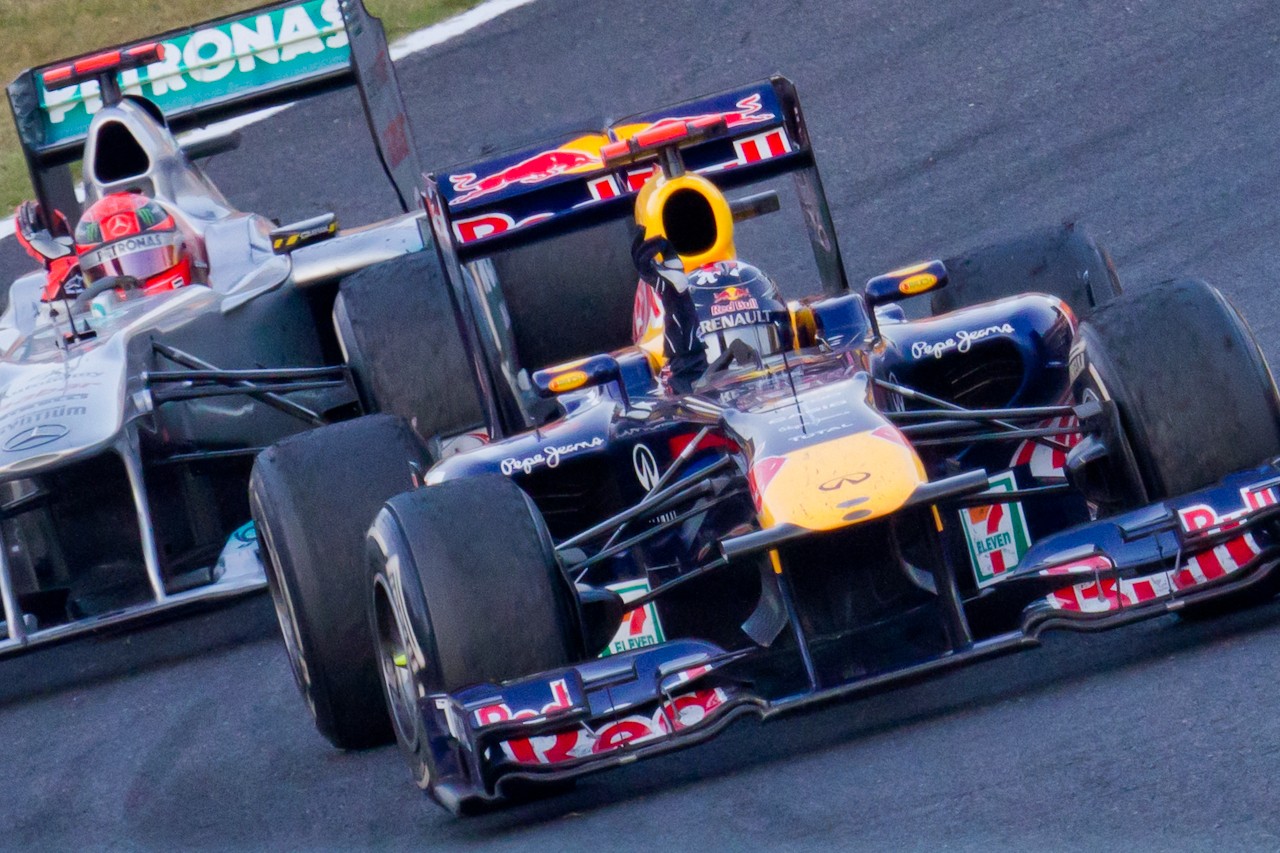
The horizon of Formula 1 is being increasingly defined by the 2026 engine regulations. These sweeping changes, focused on sustainability and efficiency, promise to create an entirely new playing field. Amid all the preparations, attention is already fixated on the competitive hierarchy that will emerge.
For Red Bull Racing, this transition entails launching its own engine program, Red Bull Powertrains (RBPT), following the departure of Honda as an official partner. The team enters as one of the new power unit manufacturers, an undertaking of immense proportions that has been underway behind the scenes for years. Expectations are sky-high, but the challenge is daunting.
One of the established names preparing once again for this engine revolution is Mercedes. They possess decades of experience building F1 engines and were at the forefront of the successful hybrid era that began in 2014. Paddock rumors suggest their early development work for 2026 is making a strong impression, sending a clear message to the rest of the field.
This alleged advantage for Mercedes casts a shadow over the ambitions of newcomers like Red Bull Powertrains. Where Mercedes can build on existing infrastructure and extensive expertise, RBPT starts with a blank sheet of paper. It is a race against time to accumulate sufficient knowledge and experience before the next generation of engines hits the grid.
For a driver like Max Verstappen, whose success is closely linked to the performance of his power unit, these are critical developments. Red Bull's competitiveness in 2026 depends heavily on the quality of their in-house engine. Any initial deficit could significantly complicate the fight for the world championship.
Signals of a potentially potent Mercedes package, though still speculative, highlight the massive pressure facing Red Bull's engine division. It is not merely a matter of designing a reliable and powerful unit, but of surpassing the benchmarks long established by industry giants like Mercedes. The battle for the supreme engine begins long before the first race.
The coming years will prove crucial for all manufacturers. The teams that best interpret the new regulations and deliver the most efficient, powerful engine will hold a decisive advantage. The battle for technical superiority is already in full swing, and early reports from the Mercedes camp serve as a distinct warning to the competition.