APEX RACEWIRE Newsroom
Mekies Highlights Verstappen's Value: Essential for Uncovering Car Issues
Candid remarks from Laurent Mekies shed light on the crucial role elite drivers play in uncovering deep-seated machinery issues, putting Max Verstappen's unique skills center stage.
By Lesley Bakker - 2026-07-29T09:58:12.000Z - 2 min read
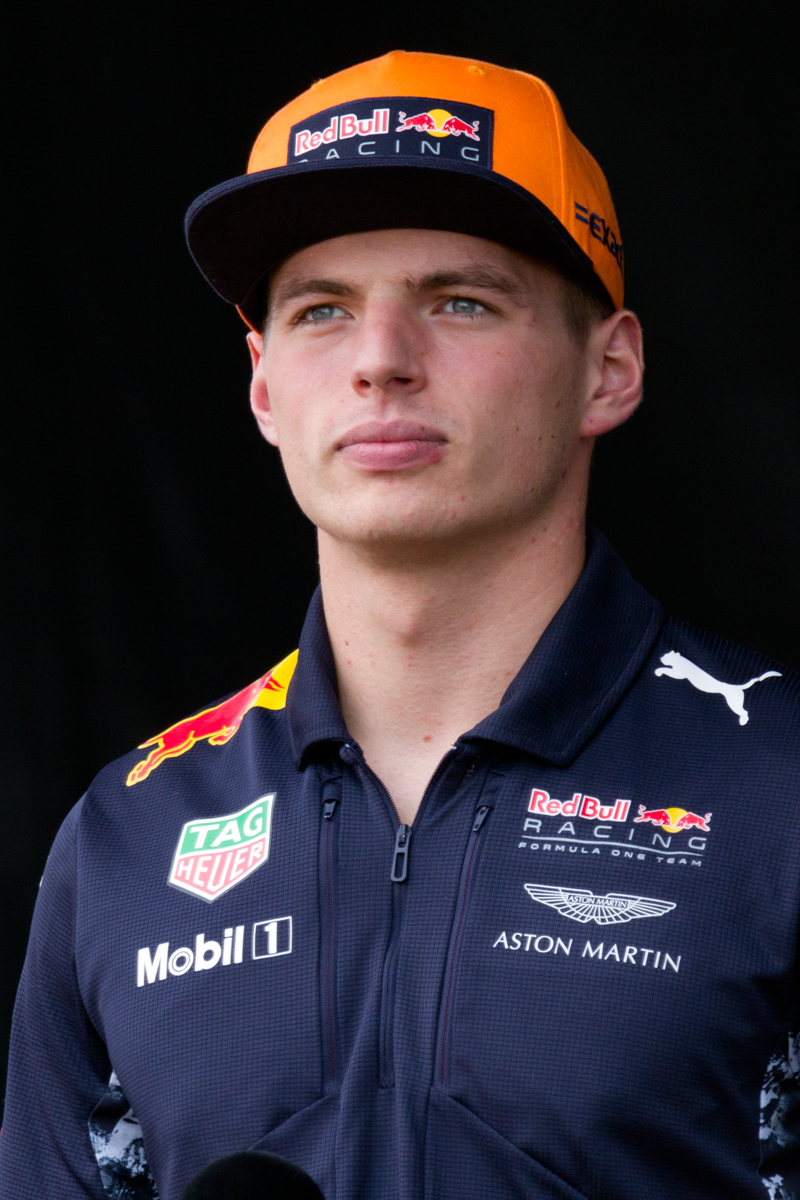
The complexity of modern Formula 1 machinery requires teams to relentlessly pursue even the smallest performance gains. Yet some challenges prove so subtle, buried deep within a car's dynamics, that they demand extraordinary means to uncover. Laurent Mekies recently suggested that one such stubborn issue would have gone completely unnoticed without the exceptional talent of Max Verstappen.
Mekies' comment highlights the critical function a top driver serves during development. It goes far beyond setting quick lap times; it hinges on pushing the car to its absolute limits, detecting inconsistencies undetectable to others, and providing pinpoint feedback to engineers. A driver of this caliber is not merely an operator, but a human sensor generating vital telemetry on the car's true behavior.
The specific issue Mekies referred to remains undisclosed, but the implication is clear: it was no obvious flaw identifiable through routine data or simulations. Often, such matters involve complex interactions between systems, unexpected aerodynamic traits at specific points on track, or a subtle imbalance exposed only at the extreme boundaries of grip and speed.
The assertion that such an issue would "never have been found" without Verstappen highlights how challenging it can be for engineering teams to fully comprehend every nuance of their own creations. It demonstrates that even the most advanced analytical tools fall short when interpreting performance under extreme pressure. In those moments, an elite driver's intuition and feel become the decisive factor.
Uncovering such a scenario carries major implications for a team's development trajectory. If a foundational problem remains hidden, subsequent updates risks being built on false premises, creating a cycle of ineffective upgrades. Unmasking a core issue—no matter how painful—opens the path to genuine performance gains.
It stands as a tribute to Verstappen's driving ability and his skill in precisely communicating what he experiences behind the wheel. His feedback is evidently so granular and accurate that engineers can delve into the data to trace the root cause of a complex issue. This underlines the symbiotic relationship between driver and engineer, each pushing the other to higher levels.
Ultimately, Mekies' statement illuminates a fundamental truth in Formula 1: the human element remains indispensable, even in an era dominated by advanced technology. A driver capable of probing the limits of mechanical and aerodynamic packages time after time, and articulating those findings clearly, is invaluable to any team aiming for ultimate success.