APEX RACEWIRE Newsroom
Paddock Unrest: Verstappen 'Pissed Off' as Wolff Talks Transfer
The Formula 1 paddock was on edge after Toto Wolff openly discussed a potential move for Max Verstappen, while the driver was in a noticeably frustrated mood in Hungary despite gaining from grid penalties.
By Sanne Vermeer - 2026-07-25T19:47:43.000Z - 2 min read
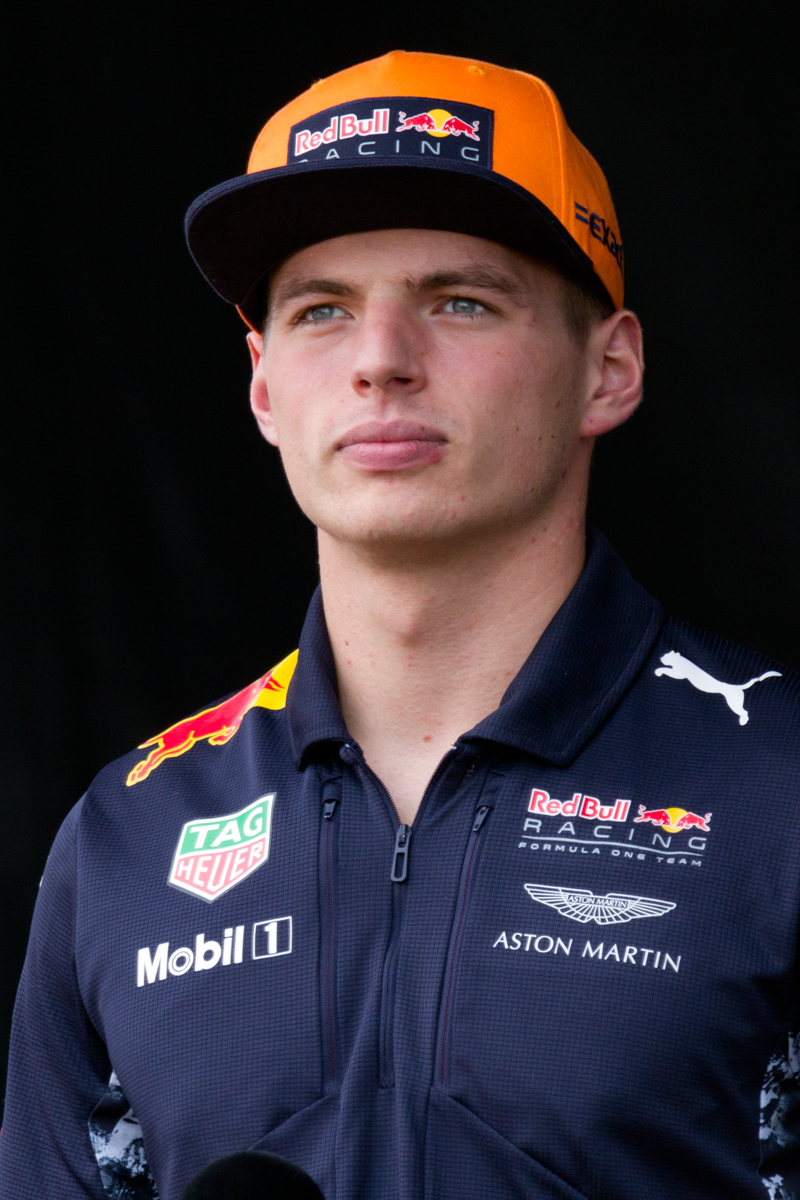
The world of Formula 1 rarely stands still, and the period surrounding the Hungarian Grand Prix proved no exception. Behind the scenes, activity and tension bubbled, with a prominent team principal commenting on the champion's future while that very same driver appeared markedly dissatisfied. An unexpected boost from grid penalties ultimately provided some breathing space.
One of the most widely discussed topics concerned comments made by Mercedes team boss Toto Wolff. He openly remarked on the possibility of a transfer for Max Verstappen, instantly igniting driver market speculation. It is rare for such an influential figure to intervene so directly in the contractual status of a rival top driver, highlighting the sensitivity of the issue.
At the same time, Max Verstappen's own state of mind did not go unnoticed. He was described as 'pissed off', a strong indication of deep irritation or frustration harboured by the driver. Although the exact trigger for this intense emotion was not detailed, it contributes to a picture of internal tension, regardless of on-track successes.
The combination of Wolff's statements and Verstappen's evident dissatisfaction created a charged atmosphere in the paddock. It suggests there is more at play than just a single race weekend's performance. The constant pressure on drivers and teams to deliver, coupled with future uncertainty, can provoke such reactions.
Focus eventually shifted to the actual track action. During preparations for the Hungarian Grand Prix, multiple grid penalties were handed out to various competitors. These sanctions, often related to technical regulation breaches or on-track incidents, hold the potential to significantly reshape the starting grid.
For Verstappen, these penalties turned out surprisingly favorably. As rivals were demoted down the starting grid, he automatically gained several positions. This altered his tactical starting position and potentially his chances of a stronger result, serving as a welcome boost during a hectic period.
This accumulation of events — public speculation surrounding a star driver, his visible dissatisfaction, and unexpected regulatory breaks — underscores the complex dynamics of Formula 1. It shows how political maneuvering, human emotion, and sporting regulations constantly intersect, and how a single race weekend can reverberate far beyond the track long after.