APEX RACEWIRE Newsroom
Max Verstappen Cherishes Dutch Grand Prix Chapter as Zandvoort Era Closes
Max Verstappen and father Jos reflect on the six-year run of the Dutch Grand Prix as Circuit Zandvoort prepares to bid farewell to the Formula 1 calendar.
By Lesley Bakker - 2026-08-02T11:37:00.000Z - 2 min read
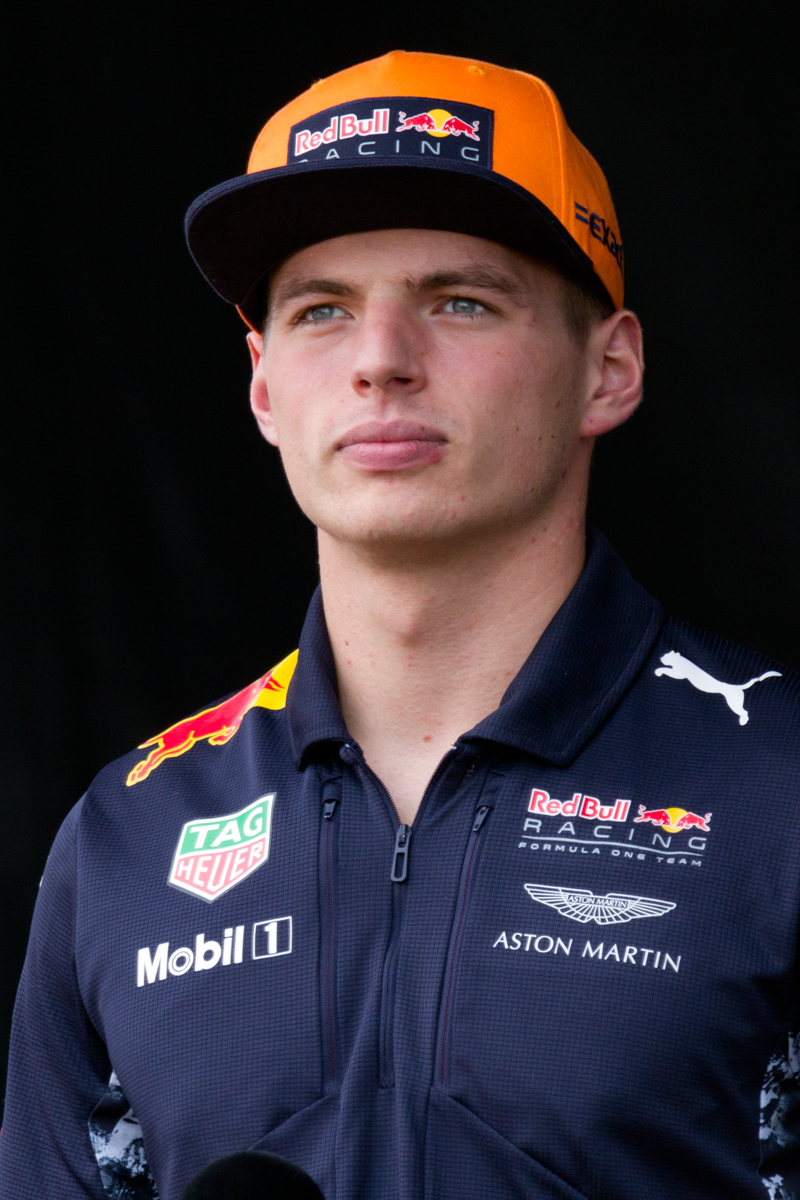
Reflecting on an era that reshaped the modern event landscape, Max Verstappen has insisted that the legacy of the Dutch Grand Prix remains intact regardless of its upcoming departure from the calendar. The modern run at Circuit Zandvoort comes to an end after six editions, closing a remarkable chapter triggered by the Dutch driver's rise to the top of Formula 1. For a venue that returned after decades away, the impact extended far beyond individual race results.
For years, reviving grand prix racing in the coastal dunes of North Holland had seemed economically and logistically improbable. That dynamic shifted entirely when overwhelming domestic support transformed Zandvoort into one of motorsport's most energetic venues. Packed grandstands and a distinctive festival atmosphere quickly established the race as a standout fixture on the annual schedule.
Looking back at the six-year stretch, Verstappen emphasized the lasting significance of what took place on home soil. "Nobody can take that away from us anymore," he noted, cherishing the victories and memories forged in front of a devoted home crowd. The three-time world champion pointed out that the event achieved something permanent for Dutch sporting history.
Beyond the track action, the Dutch Grand Prix fundamentally shifted expectations for how race organizers structure a grand prix weekend. Trackside entertainment, music sets and heavy reliance on public transport created a template that Formula 1 management frequently highlighted to other venues. The race demonstrated how traditional circuits could modernize without losing their historic identity.
Former F1 driver Jos Verstappen also reflected on the immense undertaking required to bring the track back into the spotlight after a 36-year absence. Speaking in a documentary detailing the event's return, he expressed pride in what the organizers accomplished against considerable odds. Upgrading the historic circuit to meet modern safety and logistical standards demanded substantial private investment and political resolve.
Sustaining a position on a rapidly expanding international schedule ultimately presented insurmountable hurdles despite sold-out crowds. Jos Verstappen observed that even traditional European events face persistent financial pressure as new global destinations compete for limited calendar slots. In that environment, maintaining a long-term presence became an increasingly complex proposition.
As Zandvoort prepares to host its final race of this era, its six-year stint stands as proof of how a driver's success can reactivate a country's passion for grand prix racing. The coastal circuit proved that smaller venues could set global standards for fan engagement and atmosphere. Whatever comes next for the calendar, the Dutch chapter leaves an indelible mark on modern Formula 1.