APEX RACEWIRE Newsroom
F1 Brakes Struggle with Cold Temperatures Under 2026 Rules
Sweeping 2026 Formula 1 regulations focused on energy recovery are causing unexpected rear brake issues due to persistently low operating temperatures.
By Ruben Smit - 2026-07-09T13:12:30.000Z - 2 min read
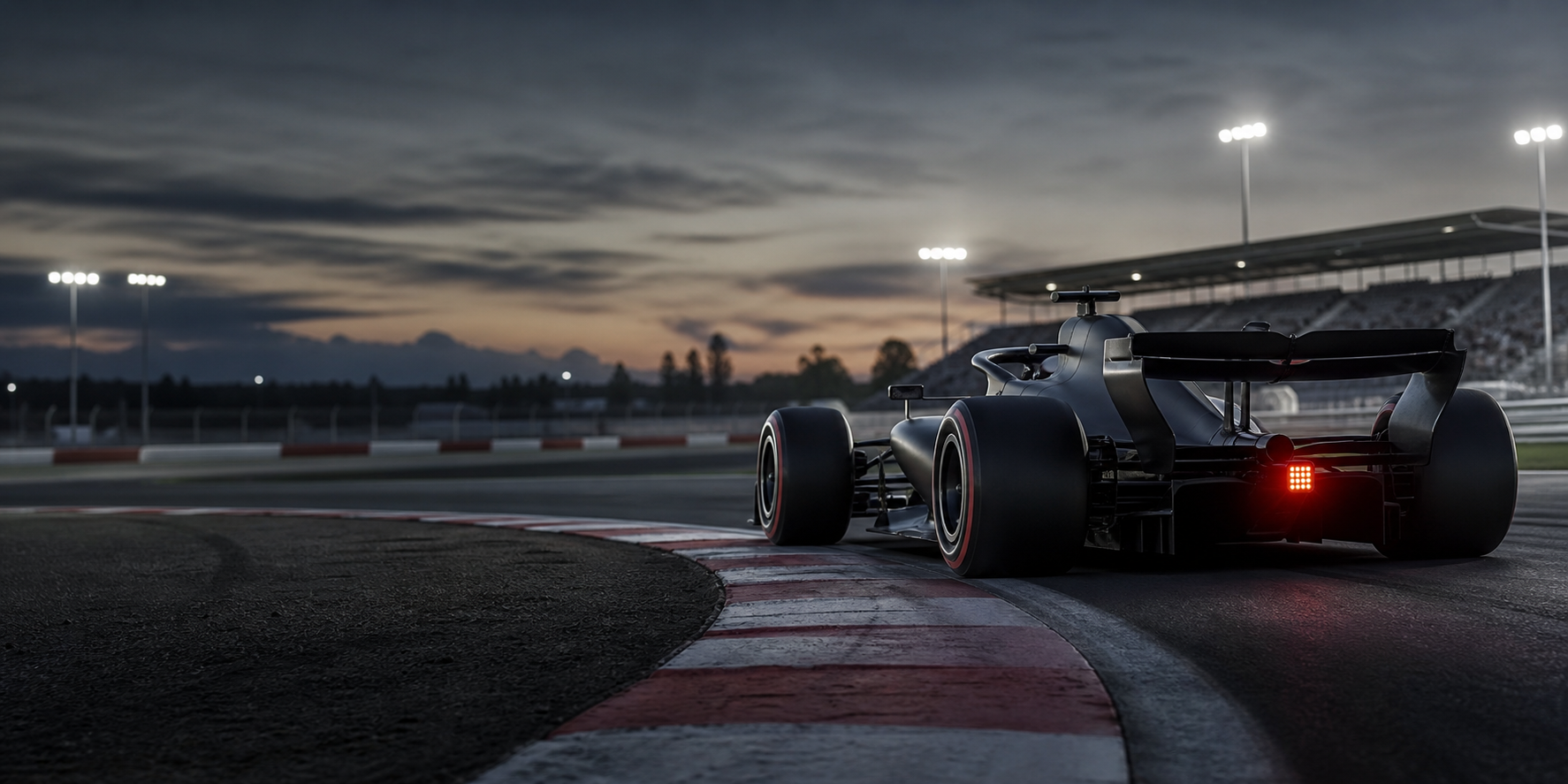
The 2026 Formula 1 regulations introduced sweeping changes, primarily focused on power units and active aerodynamics. Less conspicuous, but just as impactful, are the consequences for components like the brakes. A major emphasis on energy recovery under braking has completely rewritten the role of rear brakes.
The effectiveness of this energy recovery system is so great that teams questioned last year whether traditional rear brakes were even necessary. To prevent extremes, the FIA proposed a minimum braking force and maximum disc thickness. Nevertheless, rear temperatures remain significantly lower than before, often dropping below 100 degrees Celsius—well below the optimal operating window of the carbon material.
These low temperatures lead to inconsistent performance from the carbon, making it difficult for drivers to find a predictable brake feel. Drivers, including George Russell, regularly report erratic behavior where braking feels more like mechanical grinding than a chemical reaction. Paradoxically, material wear is also higher under these cold conditions.
Suppliers and teams faced a major challenge. Simulation results did not always align with track reality, and differing team brake concepts—varying in disc, pad, and caliper dimensions—made predicting performance complex. Consequently, modifications to brake systems were requested immediately after the initial test days in Barcelona.
In response to lessons learned, work is now underway on new materials and geometries, a process that can take considerable time. Rear brake dimensions are expected to shrink for 2027, as many teams now feel that current systems, initially sized conservatively large, remain too bulky for their diminished role.