APEX RACEWIRE Newsroom
Verstappen slams modern overtaking: 'You literally do nothing'
World champion Max Verstappen expresses dissatisfaction with the current state of overtaking in Formula 1, sparking a discussion about the true essence of racing.
By Michael de Vries - 2026-07-25T05:00:00.000Z - 3 min read
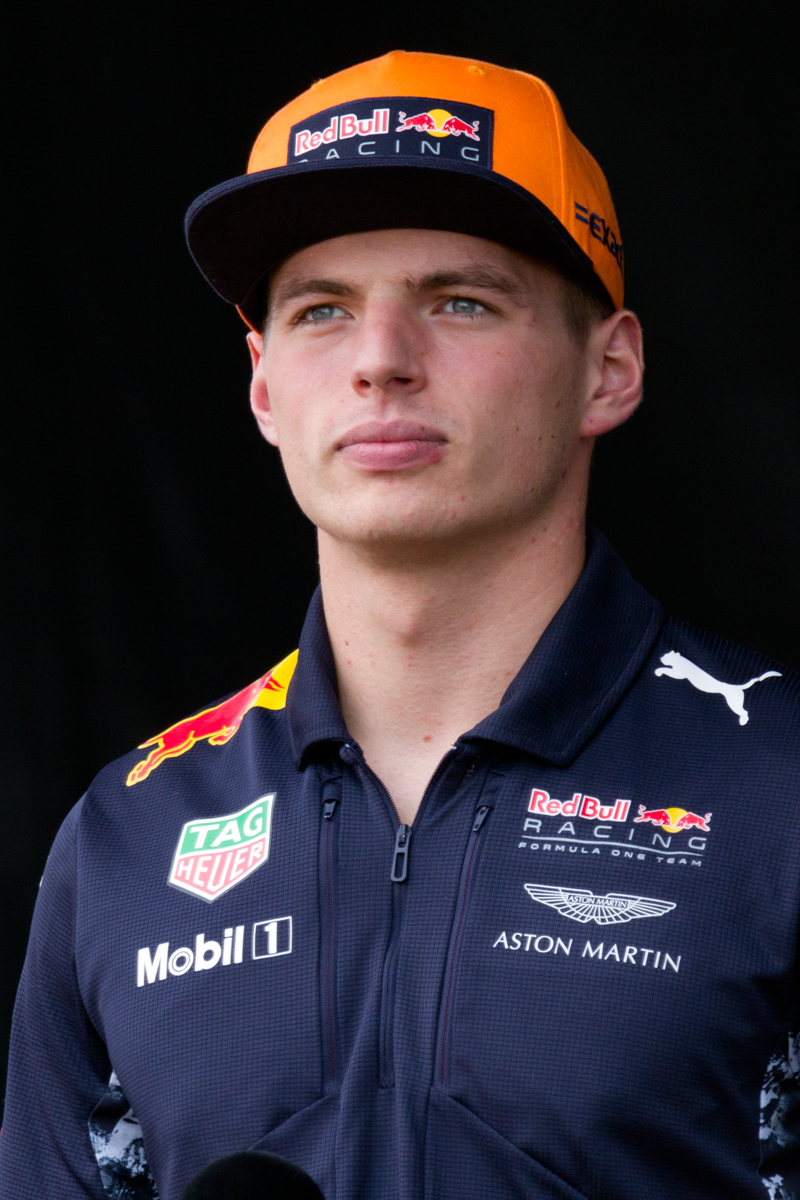
Max Verstappen, a driver known for his pure racing skills and uncompromising approach, recently expressed his frustration with how overtaking works in modern Formula 1. His comments suggest a deeper discontent than a mere passing observation, questioning the nature of on-track combat. This sentiment hits at the heart of what many fans and drivers seek in the sport: pure battle.
The reigning world champion's criticism focuses on 'new' overtaking, stating: 'You literally do nothing.' This sharp assertion implies that the act of passing an opponent has become too easy or mechanical, no longer requiring the commitment and finesse he is used to or expects. It is a direct signal that the challenge may have diminished.
The term 'new overtaking' may refer to the continuous evolution of regulations and car design in Formula 1. Over the years, various measures have been introduced to bring racing closer together and encourage overtakes. While the intent is often to enhance the spectacle, from a driver's perspective this can lead to unintended consequences for the complexity of the maneuver itself.
The sigh that one 'literally does nothing' during an overtake points to a feeling of reduced driver control or impact. If the decisive factor no longer rests entirely on the driver's craft—such as tire management, timing, or exploiting a tight gap—the satisfaction of a successful overtake wanes. This can undermine the purely sporting value of the duel.
A statement like this, coming from a driver of Max Verstappen's caliber, carries significant weight. As a multiple world champion and one of the most talented drivers of his generation, he has deep insight into the dynamics of racing at the highest level. His criticism can therefore be seen as a plea for a greater role of driver skill and instinct when making crucial moves.
This observation feeds into the broader discussion on balancing the creation of overtaking opportunities with preserving the challenge that makes Formula 1 so compelling. Fans want exciting fights, but also the assurance that victory and top performances belong to the most skilled driver who makes the right decisions under pressure. This dilemma remains a constant factor in the sport's development.
The core question raised by Verstappen's comments is whether the sport has found the right middle ground. Has the pursuit of more overtakes come at the expense of heroism and the pure challenge of a masterful pass? His words suggest that making racing more spectacular can sometimes undermine the deeper craftsmanship of driving.
Ultimately, Verstappen's candid criticism underscores the need to safeguard the essence of racing—the pure confrontation between man and machine, driven by talent and bravery. It is a powerful reminder that, for the drivers themselves, satisfaction often lies in the difficulty of the task, not just the frequency of the action.