APEX RACEWIRE Newsroom
F1 wrestles with engine rules: V8 comeback or hybrid harmony?
The Formula 1 paddock is locked in intense debate over engine regulations, with current hybrid power units demanding short-term fixes while long-term plans don't rule out a V8 return.
By Sanne Vermeer - 2026-05-14T07:00:24.000Z - 2 min read
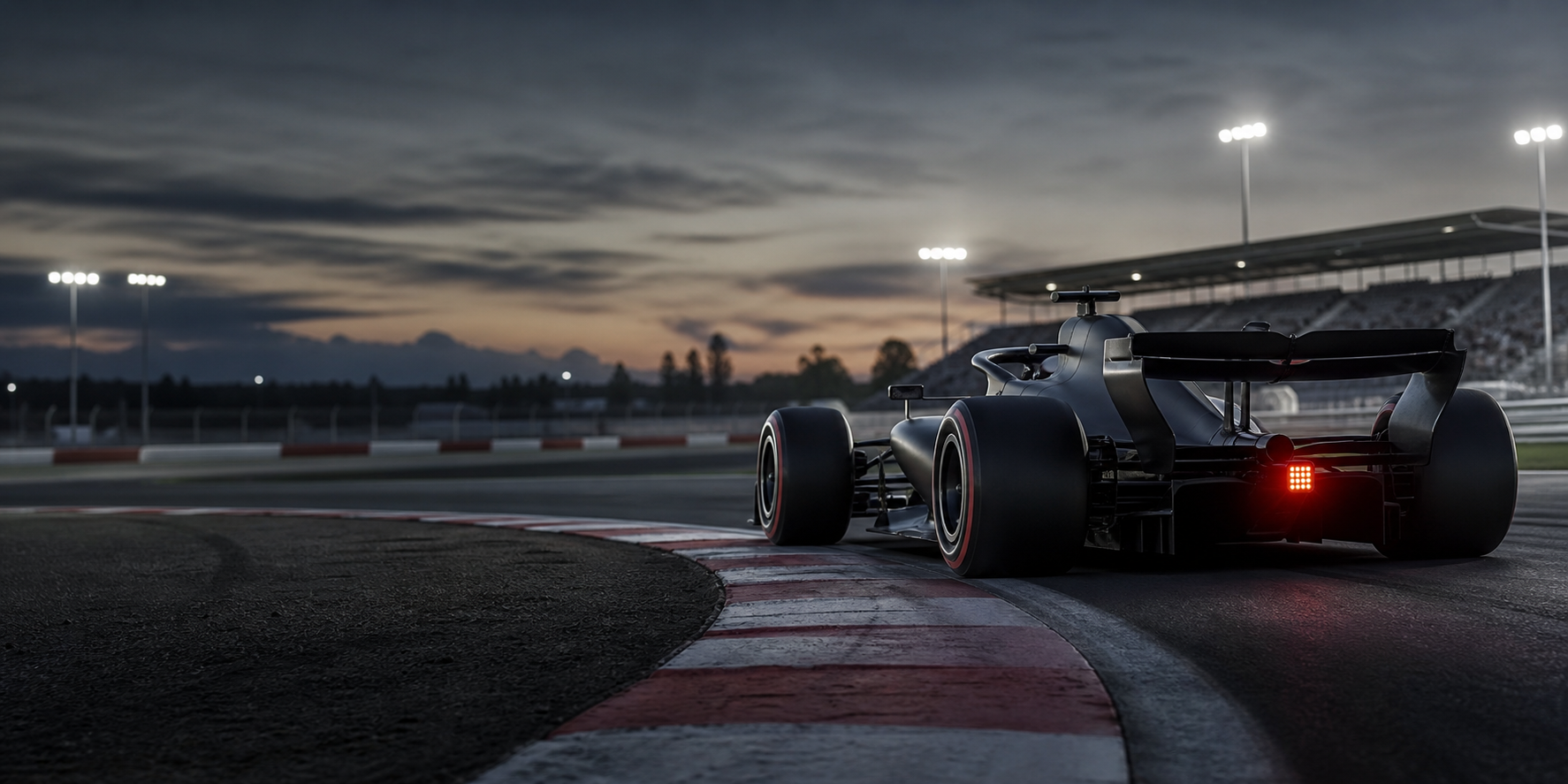
Formula 1 faces crucial decisions regarding its engine future, with parallel discussions defining both the near and distant horizons of the sport. There is a widespread sense that the current 2026 engine regulations are not yielding the desired effect, forcing the FIA and teams to rethink the power unit.
In the short term, issues with the engines introduced this year must be addressed. Drivers are particularly frustrated by intensive energy management during qualifying, feeling unable to drive flat-out on the limit. Following minor adjustments ahead of the race in Miami, engine manufacturers have agreed to examine ways to increase the internal combustion engine's proportion of total power for 2027—a decision expected within weeks. However, simple solutions like a higher fuel flow limit bring secondary complications, including the need for larger fuel tanks and chassis modifications.
Meanwhile, FIA President Mohammed Ben Sulayem is pushing for a drastic long-term shift. He vocalizes support for a naturally aspirated V8 engine, akin to the 2013 regulations, supplemented by only a token hybrid system. This vision—driven by arguments around cost, weight, efficiency, and above all, sound—clashes with the automotive industry's broader push toward further electrification. Ben Sulayem hopes to bring forward this change, currently scheduled for 2031, to 2030.
The push for a V8 faces mixed reactions. Manufacturers like Mercedes and Honda are open to discussing a V8 but stress the importance of road-car relevance through battery technology. F1 CEO Stefano Domenicali acknowledges the allure of the V8 while appreciating the 'yo-yo racing' enabled by today's heavily electrified power units. George Russell warns that the 'purest' Formula 1 from twenty years ago, complete with naturally aspirated engines, was often 'boring.' Furthermore, the potential return of louder engines threatens commercially vital street circuits like Miami and Las Vegas, which have signed noise guarantees.
A compromise featuring around thirty percent electric power is seen by some as more realistic, while whether to retain a turbocharger—as Audi desires—remains under debate. Although manufacturers endorse the need for cost reduction, consensus on the exact architecture of the next-generation engines remains elusive. The FIA will soon need to present a concrete proposal to give direction to the ongoing discussions.